
Choosing the Right Content Format for Each Marketing Funnel Stage: A Complete Guide
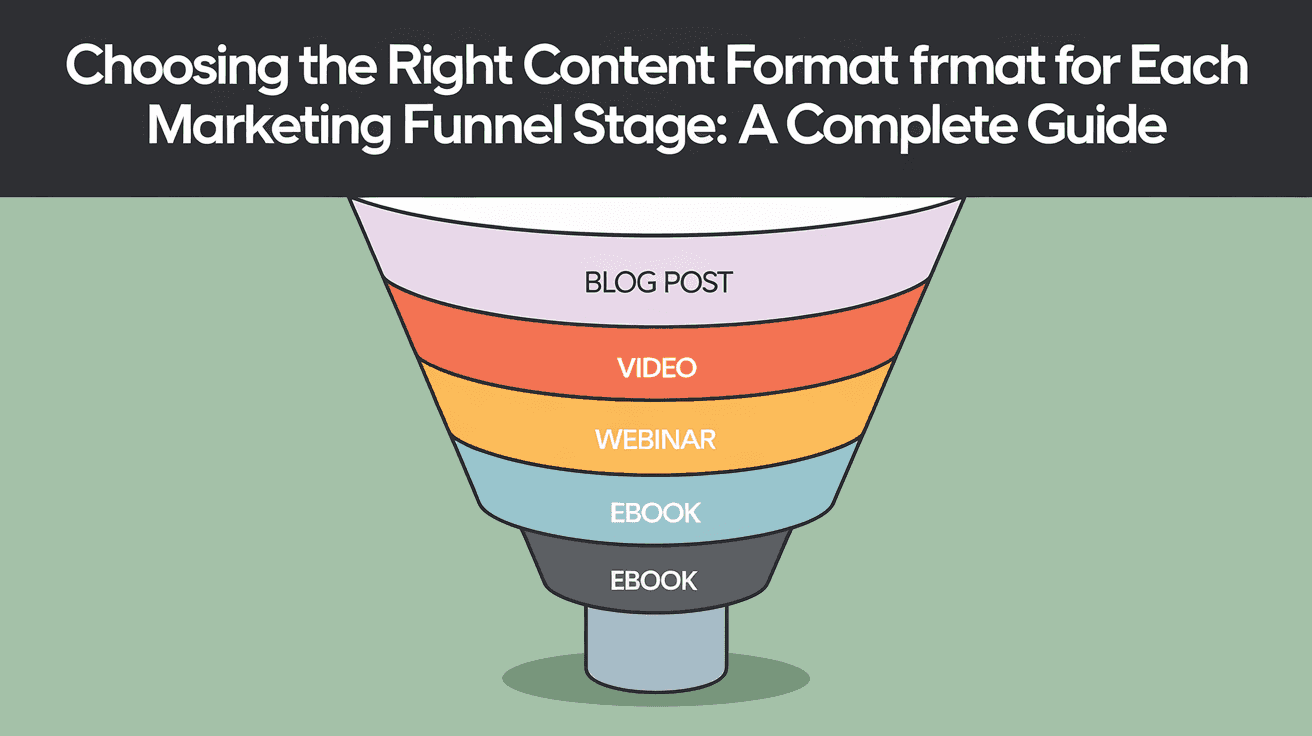
Table Of Contents
- Understanding the Marketing Funnel in Influencer Campaigns
- Top-of-Funnel Content Formats: Capturing Attention
- Middle-of-Funnel Content Formats: Building Relationships
- Bottom-of-Funnel Content Formats: Driving Conversion
- Cross-Funnel Content: Creating Cohesive Campaigns
- Optimizing Content Format Selection with Data
- Conclusion: Building a Strategic Content Format Mix
Choosing the Right Content Format for Each Marketing Funnel Stage: A Complete Guide
In today's digital landscape, simply creating influencer content isn't enough. The most successful brands know that different stages of the customer journey require tailored content formats that address specific audience needs and motivations. Whether you're looking to generate awareness, nurture consideration, or drive conversions, your content format choices can dramatically impact campaign effectiveness.
Influencer marketing campaigns that strategically align content formats with funnel stages see up to 3x higher engagement rates and 2.5x better conversion rates than those using a one-size-fits-all approach. Yet many brands struggle to identify which formats work best at each stage, leading to missed opportunities and wasted resources.
This comprehensive guide will help you navigate the complex world of content format selection across the entire marketing funnel. We'll explore proven strategies for matching formats to audience needs, provide actionable insights for implementation, and show you how to measure success at every stage. By the end, you'll be equipped to build a cohesive influencer content strategy that guides prospects smoothly from awareness to conversion.
Understanding the Marketing Funnel in Influencer Campaigns
The marketing funnel represents the customer journey from initial awareness to final conversion. When applied to influencer marketing, understanding this journey becomes even more critical as you're leveraging the trust and relationship between creators and their audiences.
A typical marketing funnel consists of three primary stages:
-
Awareness (Top of Funnel): Potential customers discover your brand or offering through an influencer they follow and trust.
-
Consideration (Middle of Funnel): Prospects evaluate your product or service against alternatives, seeking more in-depth information.
-
Conversion (Bottom of Funnel): The audience makes a purchasing decision, often requiring that final push or incentive.
Each stage requires distinctly different content formats because audience intent varies dramatically throughout the journey. For example, someone in the awareness stage might engage with entertaining video content but would be turned off by a direct sales pitch. Conversely, someone ready to purchase may find purely entertaining content frustrating when they're seeking specific product information.
Research from a recent HashmMeta AI SEO study found that brands matching content formats to funnel stages saw a 78% increase in campaign-attributed revenue compared to those using random or misaligned formats.
Top-of-Funnel Content Formats: Capturing Attention
The awareness stage is all about discovery. Your primary goal is to capture attention and generate interest in your brand among new audiences. This requires content formats that are highly shareable, visually engaging, and provide immediate value without asking for much commitment.
Educational and Entertaining Content
At this stage, educational and entertaining content formats perform exceptionally well. These include:
-
Short-form videos: Platforms like TikTok and Instagram Reels have revolutionized top-of-funnel content with their highly engaging short-form video formats. These videos should focus on entertainment, education, or trend participation rather than direct selling.
-
Infographics and data visualizations: These easily digestible visual formats can help explain complex concepts or share interesting insights related to your industry, positioning your brand as a knowledgeable authority.
-
Thought leadership articles: Having influencers create or share authoritative content about industry trends or solutions to common problems helps establish credibility while providing genuine value.
The key at this stage is to prioritize value over selling. According to data from StarNgage's influencer marketing platform, educational content generates 40% more shares than promotional content at the awareness stage.
Platform-Specific Format Considerations
Different platforms favor different content formats, making platform selection crucial to top-of-funnel success:
-
Instagram: Carousel posts that combine educational tips with visually appealing graphics consistently outperform single images, with 3.1x higher average engagement rates.
-
TikTok: Challenge-based content and "day in the life" formats that subtly incorporate your product generate significantly higher reach than direct promotional content.
-
YouTube: "List"-style videos ("5 Ways to..." or "Top 10 Tips for...") that address common pain points tend to perform best for initial brand discovery.
-
Xiaohongshu: Visual stories and authentic product integration in lifestyle content are particularly effective on this platform, as noted in HashmMeta's Xiaohongshu marketing guide.
Measuring TOFU Content Effectiveness
Measuring success at the awareness stage requires different metrics than lower-funnel activities. Focus on:
- Reach and impressions
- Engagement rate (likes, comments, shares)
- New follower acquisition
- Brand mention growth
Tools like StarNgage Pro's analytics suite can help track these metrics across multiple platforms and influencers, providing a clearer picture of which content formats are driving the strongest top-of-funnel results.
Middle-of-Funnel Content Formats: Building Relationships
Once you've captured audience attention, the consideration stage is where you build deeper relationships and demonstrate your product's value. Content formats at this stage should provide more detailed information while maintaining engagement.
Product Demonstrations and Tutorials
Consideration-stage audiences want to see your product in action. Effective formats include:
-
How-to videos: Detailed tutorials showing your product solving real problems resonate strongly at this stage. The optimal length increases to 5-10 minutes as audiences are more invested in learning.
-
Unboxing experiences: These videos satisfy the curiosity around what exactly comes with your product and the initial experience of using it.
-
"Day in the life" with product integration: Content showing how a product fits seamlessly into the influencer's routine helps audiences envision it in their own lives.
A study conducted using AI SEO Agents found that consideration-stage audiences spent 2.4x longer engaging with demonstration content than with purely entertaining content.
Testimonials and Case Studies
Social proof becomes increasingly important during the consideration phase. Effective formats include:
-
Before-and-after content: Visual evidence of the transformation your product enables is particularly powerful in beauty, fitness, and home improvement niches.
-
Problem-solution narratives: Content that clearly articulates a problem and shows how your product solves it connects emotionally with audiences facing similar challenges.
-
Comparative reviews: Honest assessments that position your product against alternatives (while highlighting your unique strengths) build trust and confidence.
Interactive Content Opportunities
Interactive content formats dramatically increase engagement during the consideration phase:
-
Polls and Q&As: These formats invite audience participation while addressing common questions and objections.
-
Live streams: Product demonstrations and question-answering sessions in real-time create authentic connections and allow for immediate feedback.
-
Instagram/Facebook Story features: Using interactive stickers (questions, polls, quizzes) related to your product can boost engagement by over 80% compared to static stories.
According to research from HashmMeta's AI Marketing service, brands that incorporate at least two types of interactive content into their middle-funnel strategy see 62% higher conversion rates to the bottom funnel.
Bottom-of-Funnel Content Formats: Driving Conversion
At the conversion stage, your audience is nearly ready to purchase but may need a final push. Content formats should focus on removing last-minute objections and creating urgency.
Reviews and Comparisons
Detailed product evaluations are crucial at this stage:
-
In-depth reviews: Comprehensive assessments that highlight both benefits and potential drawbacks (while explaining how the positives outweigh any negatives) build tremendous trust.
-
Side-by-side comparisons: Direct comparisons with competing products help justify your value proposition and price point.
-
Long-term usage reviews: Content that shows the influencer's experience after extended use of the product addresses durability and satisfaction concerns.
Data from the Creator CRM platform indicates that conversion rates increase by 70% when prospects have engaged with authentic review content prior to purchase.
Limited-Time Offers and Exclusive Deals
Creating urgency drives immediate action:
-
Limited-time discount codes: Influencer-specific discount codes with clear expiration dates motivate fence-sitters to make a decision.
-
Bundle offers: Special packages that combine complementary products at a value price point increase average order value at conversion.
-
Early access or exclusive features: Content highlighting special access or features available only through the influencer creates FOMO (fear of missing out).
User-Generated Content as Social Proof
Showing real customer experiences is extremely persuasive at the decision stage:
-
Customer testimonial compilations: Collections of authentic customer feedback, often in video format, provide powerful social validation.
-
User-submitted photos/videos: Content showcasing actual customers using and enjoying your product reinforces trust in your brand promises.
-
Community highlights: Featuring your existing customer community demonstrates that purchasers gain more than just a product—they join a like-minded group.
AI Local Business Discovery research shows that 92% of consumers trust user-generated content more than traditional advertising when making final purchase decisions.
Cross-Funnel Content: Creating Cohesive Campaigns
While different formats work best at specific funnel stages, the most successful campaigns create cohesive journeys across all stages. This approach ensures consistent messaging while adapting the format to match evolving audience needs.
Repurposing Across the Funnel
Strategic content repurposing maximizes your investment:
-
Breaking down long-form content: A detailed product review video can be edited into shorter awareness-stage clips, with the full version serving the consideration stage.
-
Building on established themes: Creating content series that evolve from educational (awareness) to specific use cases (consideration) to purchase incentives (conversion) maintains consistency while adapting to funnel position.
-
Format adaptation for platform optimization: The same core message can be reformatted for different platforms—turning a detailed YouTube review into Instagram carousel highlights and TikTok tips.
Creating Content Series That Guide Consumers
Planned content series can deliberately move audiences through the funnel:
-
Progressive disclosure approach: Beginning with broad educational content, then gradually introducing product benefits, and finally showcasing specific features guides the audience journey.
-
Story-driven campaigns: Narrative arcs that introduce a problem (awareness), explore solutions (consideration), and culminate in resolution through your product (conversion) create emotional investment.
-
Seasonal or thematic campaigns: Building content around seasons or themes with escalating specificity about your offering creates natural progression through the funnel.
According to BusinessPlusAI research, brands using planned content series see 47% higher completion rates of the entire customer journey compared to disconnected campaign approaches.
Optimizing Content Format Selection with Data
The most effective format choices come from data-driven decision making, not assumptions. Implementing a systematic approach to format optimization includes:
-
Funnel stage analysis: Use platform analytics to identify which content formats drive specific desired actions at each funnel stage.
-
A/B testing different formats: Test variations of content formats with similar messages to determine which drives better results for specific objectives.
-
Audience segment comparison: Different audience segments may respond better to different formats, even at the same funnel stage.
-
Platform-specific optimization: What works on Instagram may not work on TikTok or YouTube, requiring platform-specific format strategies.
Tools like StarScout AI can help identify which influencers excel with specific content formats, ensuring your collaborations align with your funnel stage goals.
Leveraging AI Chat Agents to analyze engagement patterns across your content library can reveal unexpected format strengths unique to your brand and audience.
Conclusion: Building a Strategic Content Format Mix
Choosing the right content format for each funnel stage isn't about following universal rules but about developing a tailored approach that aligns with your specific audience, product, and platform mix. The most successful influencer marketing campaigns use a strategic blend of formats that evolve as consumers move through their journey from awareness to purchase.
By matching content formats to audience intent at each stage, you create a more efficient and effective path to conversion. Educational and entertaining content captures attention at the top of the funnel, detailed demonstrations and social proof build confidence in the middle, and reviews with incentives drive action at the bottom.
Remember that the content format landscape continues to evolve with platform changes and consumer preferences. Regular testing, measurement, and refinement of your format strategy are essential to maintaining optimal performance across the funnel.
Conclusion: Building a Strategic Content Format Mix
Selecting the right content formats for each stage of the marketing funnel is both an art and a science. Throughout this guide, we've explored how different formats serve specific purposes—from capturing attention with entertaining short-form videos at the awareness stage to driving conversions with detailed reviews and exclusive offers at the decision stage.
The most successful influencer marketing campaigns don't rely on a single format but strategically deploy different content types as prospects move through their buying journey. This approach recognizes that audience needs evolve dramatically from first discovery to final purchase.
To maximize your influencer marketing effectiveness:
- Map your current content formats to funnel stages and identify any gaps
- Align format choices with both platform strengths and audience preferences
- Create measurement frameworks specific to each funnel stage
- Develop content series that guide prospects through the entire journey
- Continuously test and optimize format selection based on performance data
By thoughtfully matching content formats to funnel stages, you'll create more engaging campaigns that not only capture attention but effectively convert that attention into meaningful business results.
Ready to streamline your influencer marketing campaigns with strategic content formats across the funnel? StarNgage Pro provides comprehensive tools for discovering the right influencers, tracking content performance at each funnel stage, and measuring ROI across your entire campaign. Start optimizing your content format strategy today.