
Legal Checklist: Essential PDPA & FTC Guidelines for Compliant Influencer Campaigns
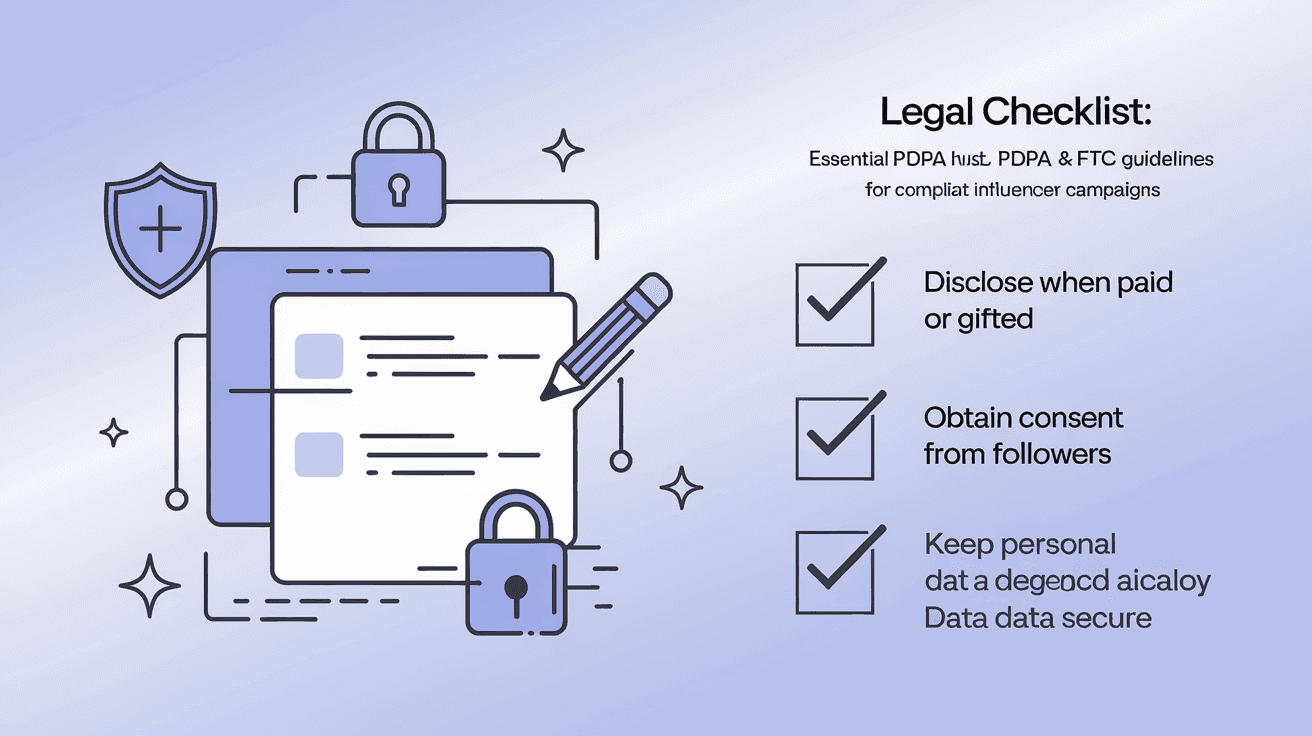
Table Of Contents
- Understanding Regulatory Frameworks in Influencer Marketing
- PDPA Compliance Checklist for Influencer Campaigns
- FTC Guidelines Checklist for Influencer Marketing
- Essential Contract Provisions for Legal Protection
- Navigating International Campaigns and Multiple Jurisdictions
- Implementing Compliance Through Technology Solutions
- Conclusion: Building a Compliance-First Influencer Strategy
Legal Checklist: Essential PDPA & FTC Guidelines for Compliant Influencer Campaigns
Influencer marketing has evolved from an experimental channel to a cornerstone of modern marketing strategies. With this growth comes increased regulatory scrutiny, particularly regarding data protection and consumer transparency. Brands and agencies that fail to navigate these legal requirements face not just financial penalties but potential reputation damage that can undermine even the most creative campaigns.
As influencer collaborations become more sophisticated, marketers must balance creative freedom with compliance across multiple regulatory frameworks. The Personal Data Protection Act (PDPA) and the Federal Trade Commission (FTC) guidelines represent two of the most significant legal considerations for influencer marketing campaigns—yet many marketers struggle to translate these regulations into practical implementation steps.
This comprehensive checklist breaks down the essential PDPA and FTC requirements into actionable guidelines, helping you ensure that your influencer partnerships remain both effective and compliant. Whether you're managing global influencer campaigns or building your first creator relationships, understanding these legal fundamentals will protect your brand while maximizing your influencer marketing investments.
Legal Essentials for Influencer Marketing
Navigating PDPA & FTC compliance requirements
PDPA Compliance
Document personal data collection with clear inventories and retention periods
Obtain explicit consent for data collection with clear withdrawal options
Implement encryption and access controls for influencer data security
Map cross-border data flows and verify destination country protections
FTC Guidelines
Require clear disclosures (#ad, #sponsored) that are prominent and visible
Review and approve all product claims before publication
Monitor published content with systematic compliance reviews
Maintain records of all contracts, briefs, and compliance training
Essential Contract Provisions
Disclosure Requirements
Explicit obligations for content disclosures that exceed regulatory standards
Approval Process
Clear content review workflows and remediation steps for non-compliant material
IP Usage Guidelines
Detailed terms for content licensing, usage rights, and duration
Building a Compliance-First Strategy
Integrate compliance from the campaign planning stage rather than treating it as an afterthought. This proactive approach builds consumer trust and strengthens creator relationships.
Designed by StarNgage Pro
Understanding Regulatory Frameworks in Influencer Marketing
Influencer marketing exists at the intersection of several regulatory domains: advertising standards, consumer protection, and data privacy laws. Before diving into specific compliance requirements, it's important to understand the fundamental principles behind these regulations.
The PDPA (in regions like Singapore, Thailand, and other Asian countries) focuses on the protection of personal data and requires organizations to obtain consent before collecting, using, or disclosing an individual's personal information. For influencer marketing, this directly impacts how you onboard influencers, store their information, and handle data from campaign interactions.
Meanwhile, the FTC in the United States emphasizes transparency in advertising relationships. Their guidelines aim to ensure consumers can distinguish between organic content and paid promotions. The core principle is simple: audiences should know when content creators have a material connection with the brands they promote.
While these frameworks have different geographic origins, the globalized nature of social media means that brands often need to comply with multiple regulations simultaneously. A strategic approach is to identify the most stringent requirements across relevant jurisdictions and build campaigns that satisfy all applicable standards.
PDPA Compliance Checklist for Influencer Campaigns
Lawful Collection and Use of Personal Data
When building your influencer roster and managing campaigns, you'll inevitably collect personal data from creators. This includes contact information, payment details, performance metrics, and potentially sensitive demographic information. To maintain PDPA compliance:
-
Clearly document what personal data you're collecting from influencers and why it's necessary for your campaign objectives.
-
Implement a formal data inventory that tracks all influencer personal information within your organization.
-
Establish reasonable retention periods for influencer data based on business needs and contractual requirements.
-
Develop processes to securely delete or anonymize creator data once the retention period expires.
This systematic approach to data management not only satisfies regulatory requirements but also builds trust with your creator partners. Using a platform like StarNgage Pro can streamline this process by providing structured workflows for influencer data management that adhere to privacy principles.
Consent Requirements for Content Creators
Consent forms the foundation of PDPA compliance. For influencer marketing, this extends beyond initial agreements to how creator information is used throughout the relationship:
-
Obtain explicit consent from influencers before collecting their personal data, clearly stating how their information will be used.
-
Develop separate consent mechanisms for different data uses, particularly for sensitive information or marketing purposes.
-
Create clear processes allowing influencers to withdraw consent and request data deletion.
-
Document all instances of consent, including timestamps and the specific permissions granted.
When organizing influencers using Creator CRM tools, ensure your system allows for consent tracking and management throughout the creator relationship lifecycle.
Data Security Measures
Protecting influencer data requires technical and organizational safeguards:
-
Implement appropriate encryption for sensitive influencer information, particularly payment details and contact information.
-
Restrict access to influencer data on a need-to-know basis within your organization.
-
Conduct regular security assessments of all systems storing influencer information.
-
Develop incident response plans specifically addressing potential breaches of influencer data.
With the growing sophistication of cyber threats, maintaining robust security practices protects not just compliance status but also your valuable influencer relationships.
Cross-Border Data Transfer Considerations
For international campaigns, PDPA compliance becomes more complex when data crosses borders:
-
Map all instances where influencer data might flow between countries during campaign execution.
-
Verify that destination countries provide adequate data protection or implement additional safeguards.
-
Include appropriate data transfer provisions in contracts with international influencers and service providers.
-
Consider using data localization where feasible to minimize cross-border transfer risks.
Global brands should conduct periodic reviews of international data protection developments, as requirements continue to evolve in different regions.
FTC Guidelines Checklist for Influencer Marketing
Clear Disclosure Requirements
Transparency remains the cornerstone of FTC-compliant influencer marketing. These disclosure guidelines help ensure your campaigns meet regulatory standards:
-
Require influencers to clearly disclose their relationship with your brand in each piece of sponsored content using straightforward language like "ad," "sponsored," or "paid partnership."
-
Ensure disclosures are prominent and placed where users will notice them before engaging with the content (not buried in a sea of hashtags or below the "more" button).
-
Verify that disclosures appear on all platforms where the content is shared, including when content is repurposed or cross-posted.
-
Adapt disclosure approaches for different content formats (static posts, stories, videos) while maintaining clarity and prominence.
When using AI Influencer Discovery tools to identify potential partners, consider including a disclosure compliance history review as part of your vetting process.
Substantiation of Claims
Influencers often make claims about products that must be truthful and supported by evidence:
-
Provide influencers with accurate, substantiated information about your products or services.
-
Review and approve claims before publication, particularly for regulated industries like health, finance, or supplements.
-
Instruct influencers to only share personal experiences they've actually had with your products.
-
Document the substantiation for all significant claims made in influencer content.
This area represents a significant compliance risk, as unsubstantiated claims can trigger regulatory investigations even when disclosure requirements are satisfied.
Monitoring Influencer Content
Your responsibility doesn't end when content goes live:
-
Implement a systematic monitoring program to review published influencer content for compliance with disclosure requirements and approved messaging.
-
Create clear escalation procedures for addressing compliance issues in live content.
-
Document all compliance reviews and any actions taken to resolve issues.
-
Use technology solutions to scale monitoring efforts across larger influencer programs.
Platforms like StarNgage Pro can help automate aspects of content monitoring by tracking campaign posts and flagging potential compliance concerns.
Documentation and Compliance Records
Demonstrating compliance requires comprehensive record-keeping:
-
Maintain copies of all influencer contracts, briefs, and communications regarding disclosure requirements.
-
Document training provided to influencers about compliance obligations.
-
Archive versions of published content showing proper disclosures.
-
Create an audit trail showing your diligence in ensuring FTC compliance.
These records become invaluable should questions arise about your compliance practices, serving as evidence of good-faith efforts to meet regulatory standards.
Essential Contract Provisions for Legal Protection
Well-crafted agreements with influencers provide the legal foundation for regulatory compliance:
-
Include explicit requirements for content disclosures that meet or exceed regulatory standards.
-
Specify data protection responsibilities for both parties, including how the influencer should handle audience data.
-
Detail approval processes for content prior to publication and remediation steps for non-compliant content.
-
Establish clear guidelines for intellectual property usage, including content licensing terms and duration.
-
Include indemnification clauses protecting your brand from regulatory penalties resulting from influencer non-compliance.
Consider developing template agreements customized for different campaign types and influencer tiers, balancing comprehensive protection with practical usability. Influencer Marketing Agency partners can often provide legally-vetted contract templates tailored to your specific needs.
Navigating International Campaigns and Multiple Jurisdictions
Global campaigns introduce layers of regulatory complexity:
-
Identify all jurisdictions where campaign content will be accessible and determine applicable regulations in each region.
-
Develop country-specific compliance addendums for international campaigns that address unique local requirements.
-
Consider using geo-targeting capabilities to limit content distribution to regions where you've ensured compliance.
-
Establish relationships with legal resources familiar with influencer marketing regulations in your key markets.
Particularly for campaigns on platforms like Xiaohongshu or other region-specific channels, understanding local requirements becomes essential to campaign success.
Implementing Compliance Through Technology Solutions
Technology plays a crucial role in scaling compliance efforts across larger influencer programs:
-
Utilize influencer marketing platforms with built-in compliance features that track disclosures and flag potential issues.
-
Implement data management systems that enforce PDPA requirements through technical controls.
-
Consider using AI-powered monitoring tools to review large volumes of influencer content for compliance concerns.
-
Deploy contract management systems that streamline the creation and execution of compliant influencer agreements.
Platforms like StarNgage Pro integrate compliance considerations into campaign workflows, reducing manual oversight while strengthening governance. These systems help transform compliance from a reactive checkbox exercise to a proactive, integrated component of campaign management.
Leveraging AI Marketing Service capabilities can further enhance compliance monitoring by automatically scanning content across platforms to identify disclosure issues or problematic claims before they escalate into regulatory concerns.
Conclusion: Building a Compliance-First Influencer Strategy
Regulatory compliance in influencer marketing shouldn't be an afterthought or a response to challenges—it should be integrated into your campaign strategy from the beginning. By adopting a compliance-first approach, you transform potential regulatory hurdles into strategic advantages that build consumer trust and creator relationships.
The most successful brands recognize that transparency and data protection aren't just legal requirements but fundamental elements of authentic creator partnerships. When influencers understand and embrace these principles, compliance becomes a natural extension of content creation rather than an imposed limitation.
As regulators continue to scrutinize influencer marketing practices worldwide, those who establish robust compliance infrastructures now will navigate future regulatory developments with confidence. The investment in proper legal frameworks ultimately protects both campaign performance and brand reputation in an increasingly complex digital landscape.
Building a Future-Proof Approach to Influencer Compliance
Navigating the complex landscape of PDPA and FTC guidelines requires vigilance, but the effort delivers substantial returns through risk reduction and enhanced campaign credibility. By implementing the checklists and frameworks outlined in this guide, you'll establish a foundation for compliant influencer marketing that can adapt to evolving regulatory requirements.
Remember that compliance isn't merely about avoiding penalties—it fundamentally supports authentic creator relationships built on transparency and trust. Consumers increasingly expect this authenticity, making regulatory alignment a competitive advantage rather than just a legal necessity.
As influencer marketing continues to mature, the brands that thrive will be those that seamlessly integrate compliance considerations into their creator strategies, technology infrastructure, and campaign workflows. This holistic approach transforms legal requirements from potential constraints into strategic guardrails that support both creative excellence and business objectives.
Ready to streamline your influencer marketing compliance? StarNgage Pro offers comprehensive tools for managing creator relationships while maintaining regulatory compliance. From consent tracking to content monitoring, our platform helps you build compliant, high-performing influencer campaigns. Discover how we can transform your approach to influencer marketing today.